
Categories
New Blog
How to select industrial gas sensors?
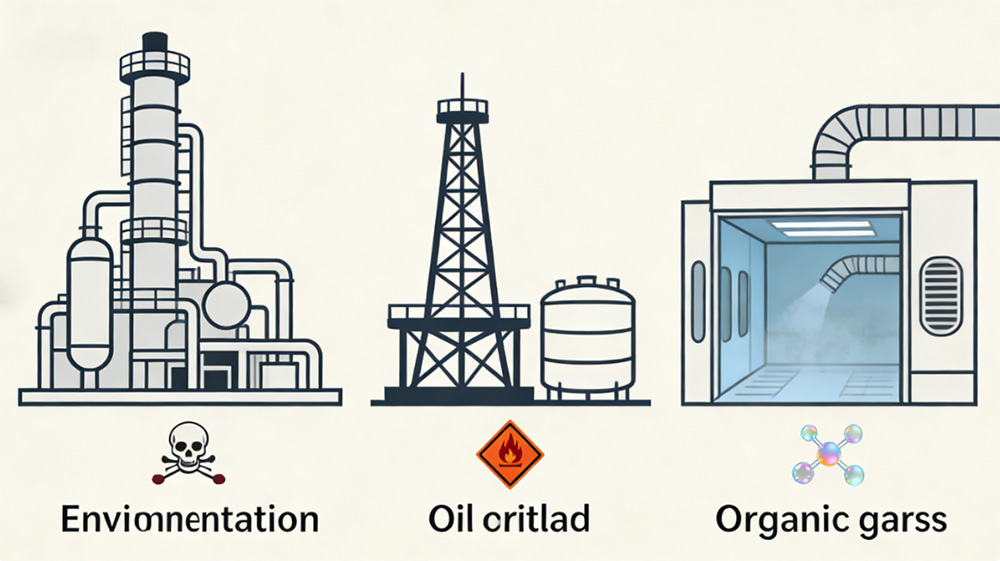
January 13 , 2026In industrial environments, gas sensors serve as the "first line of defense" for safety and environmental protection. Especially in hydrogen sulfide detection scenarios, professional equipment is indispensable. As an industrial-grade device based on electrochemical sensing technology, the RS485 hydrogen sulfide transmitter has become a standard configuration for numerous on-site applications. Choosing the right sensor type directly determines the reliability of hazard warnings, regulatory compliance, and production stability. For complex selection requirements, the following core guidelines can help enterprises make precise decisions.
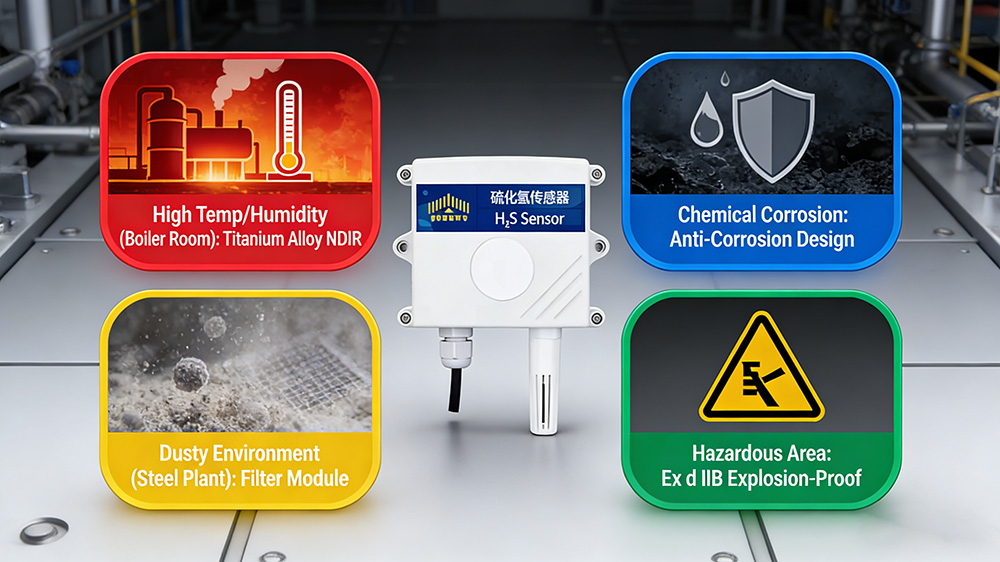
In harsh operating conditions, environmental adaptability directly impacts the service life and measurement accuracy of sensors. The RS485 hydrogen sulfide transmitter delivers exceptional performance, providing stable operation across a temperature range of -20°C to 60°C. It can simultaneously monitor ambient temperatures from -40°C to +80°C and relative humidity levels of 0 to 99.9%RH, making it suitable for most industrial scenarios.
Core performance should focus on response time, accuracy, and stability. For hydrogen sulfide early warning, fast-response electrochemical devices such as the RS485 hydrogen sulfide transmitter are the preferred choice. For regulatory compliance monitoring, its high-precision 0~50ppm output is reliable, while ppb-level laser sensors can be selected for higher precision requirements.
Cost considerations should take the entire life cycle into account rather than just the purchase price. The RS485 hydrogen sulfide transmitter features a wide 5~28VDC voltage supply and lightweight design at 0.6kg, resulting in low installation and accessory costs. Though its initial purchase price is higher than that of semiconductor sensors, it offers a longer service life and lower maintenance needs, delivering higher long-term cost-effectiveness.
Semiconductor sensors have a low unit price but require frequent replacement. In contrast, infrared sensors come with a high initial cost but boast strong stability and low calibration frequency.
In industrial mixed-gas environments, sensor selectivity is of critical importance. Semiconductor sensors must be integrated with built-in compensation algorithms to mitigate temperature and humidity interference, while catalytic combustion sensors need to be fitted with sintered metal filters to prevent silicide "poisoning".
In terms of maintenance, priority should be given to models featuring simple calibration and self-diagnostic functions: electrochemical sensors require calibration every six months, and infrared sensors have a service life of 5–10 years, which can significantly reduce maintenance costs.
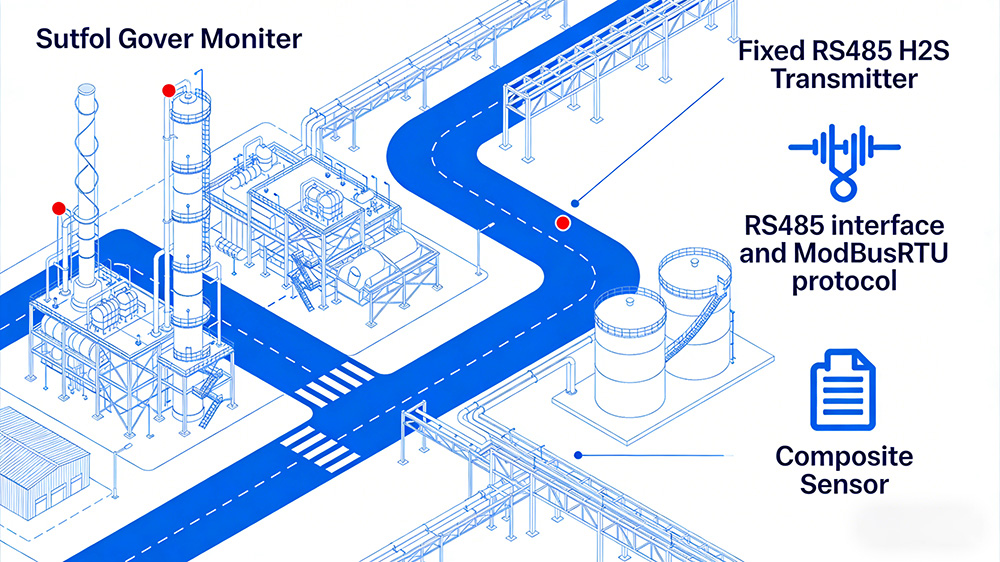
For petrochemical plants with coexisting toxic and flammable gases, a "point-surface combination" strategy is recommended: install fixed RS485 hydrogen sulfide transmitters near potential H₂S leakage points (equipped with RS485 interface and ModBus RTU protocol, they support centralized data management and enable convenient remote monitoring), and deploy composite sensors in channel areas.
For confined spaces such as sewage treatment plant wells where hydrogen sulfide tends to accumulate, portable hydrogen sulfide detectors must be provided for pre-entry testing. Meanwhile, fixed RS485 hydrogen sulfide transmitters should be installed in key monitoring zones around these confined spaces to achieve real-time monitoring.
The selection of industrial gas sensors is a process of balancing target matching, environmental adaptability, performance compliance and cost control. By clarifying core requirements, focusing on key performance indicators, and drawing on scenario-specific experience, enterprises can select sensors that are truly suitable for their industrial sites, thus building a solid safety barrier for production and operations.
For more details, please feel free to visit our website:https://www.zonewuiot.com/gas-sensors_c11

Tel : +86 18146178586
Whatsapp : +86 18146178586
Email : qui@zonewu.com
Add : 1501-3, Building F03, Phase III, Software Park, Jimei District, Xiamen City, Fujian Province, China