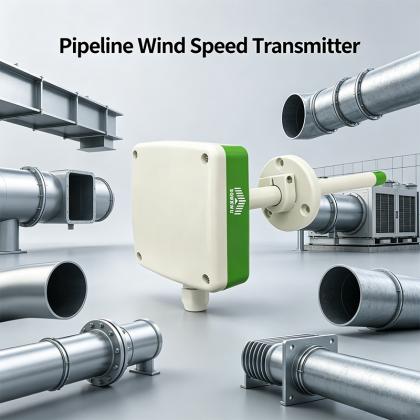
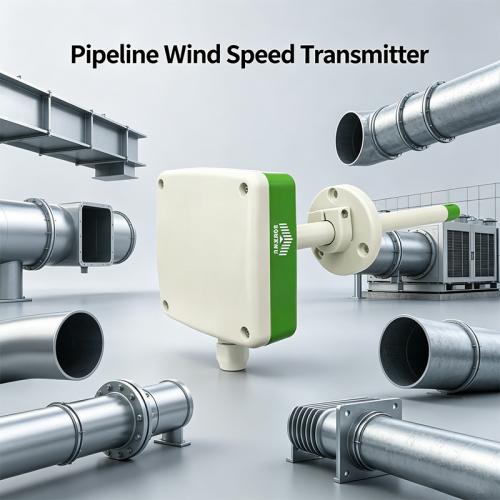
The ZW-FS-N pipeline wind speed transmitter is designed specifically for ventilation, oil fume, and HVAC pipelines, with a built-in high-precision wind speed measurement unit that responds quickly and has low drift. The product adopts RS485 interface and standard ModBus RTU protocol, with a range of 0~30m/s. It supports setting the pipeline cross-sectional area to synchronously calculate the air volume value (m ³/h) in real time. Flanged installation with wind direction arrow markings, intuitive and convenient on-site deployment; The circuit has strong resistance to frequency converter interference and remains stable under harsh working conditions. The device supports DC/AC dual power supply, compatible with software and dip switch dual configuration modes, and comes with screw free terminal blocks, significantly improving installation and maintenance efficiency.
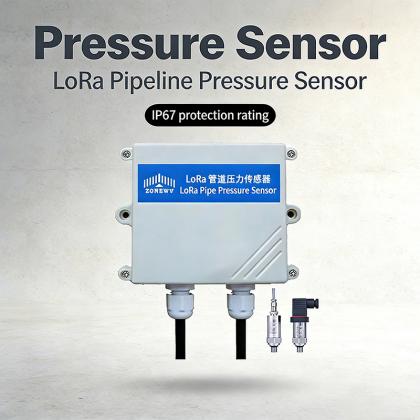
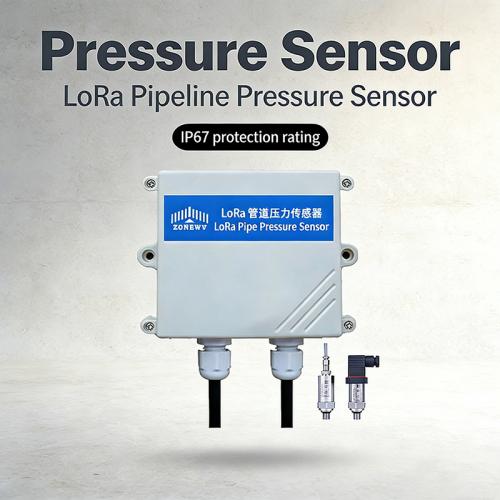
This product is a wireless pressure acquisition terminal based on LoRaWAN, using a high-performance silicon piezoresistive oil filled core with an accuracy of ± 0.5% F.S and a range of 0-2.5MPa (customizable). Built in ER26500 lithium-ion battery, with a maximum range of 3 years (depending on the reporting cycle), supporting multiple frequency bands such as CN470/EU868/US915, and OTAA Class A mode. By using the Type-C port in conjunction with PC tools, parameters such as reporting cycles and triplets can be flexibly configured, and remote downlink command control is supported. The all stainless steel sealed structure is suitable for M2M scenarios such as process control, aerospace, HVAC, etc., achieving low power consumption and reliable pressure monitoring over long distances.
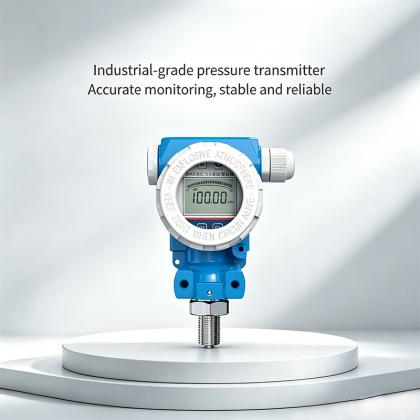
This model with display pressure sensor integrates high-precision pressure sensing components and high-definition digital display screen, which can display the current pressure value in real time without the need for additional instruments for on-site reading. The product adopts a fully stainless steel shell and sealed structure, which has the characteristics of anti-interference, corrosion resistance, high stability, etc. It supports multiple pressure unit switching and 4-20mA, RS485 and other output signals. Its compact structure and easy installation make it widely used in industrial automation, hydraulic and pneumatic systems, water treatment, air compressors, and food and pharmaceutical equipment, meeting the dual needs of on-site monitoring and remote transmission.
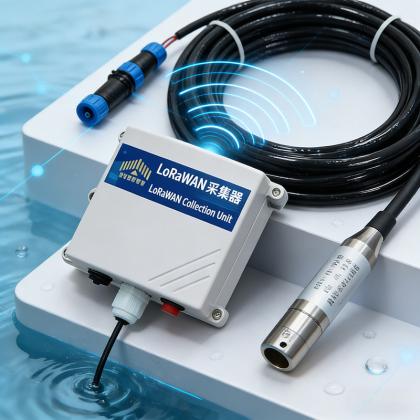
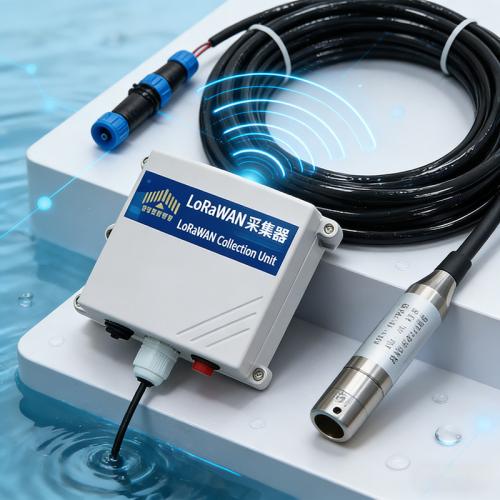
This is an input type liquid level acquisition terminal based on LoRaWAN, which adopts LoRa spread spectrum modulation technology and has the characteristics of ultra long distance communication, ultra-low power consumption, stability and reliability. Built in high-precision water level sensor with a range of 0-5 meters (customizable) and an accuracy of ± 0.5% F.S, supporting threshold active reporting and remote wireless configuration. Suitable for liquid level monitoring in environmental protection, water conservancy, variable frequency water supply, industrial process control, smart factories, smart construction sites and other scenarios. Supports standard LoRaWAN and ModBus protocols, with waterproof and anti condensation design. The liquid level probe can be quickly replaced without calibration.
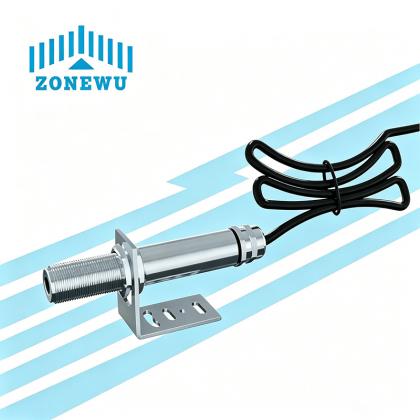
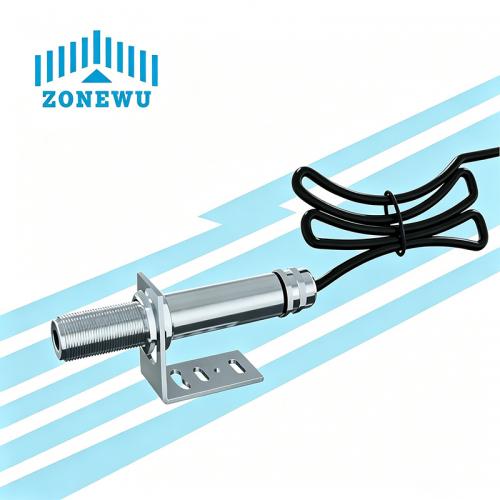
This product is an online infrared temperature sensor that uses RS485 interface and supports Modbus RTU protocol. It adopts a high-sensitivity detection probe, with a measurement range covering -50 ℃~1200 ℃ (default 0-600 ℃), and an accuracy of ± 1% or ± 1.5 ℃ (whichever is higher) of the measured value. The optical resolution reaches 20:1, the spectral range is 8-14 μ m, and the emissivity is fixed at 0.95. The sensor has M18 × 1 thread, stainless steel housing, protection level IP54, supports 10-24V DC power supply, can be directly installed or used with a bracket, suitable for industrial non-contact temperature measurement scenarios.
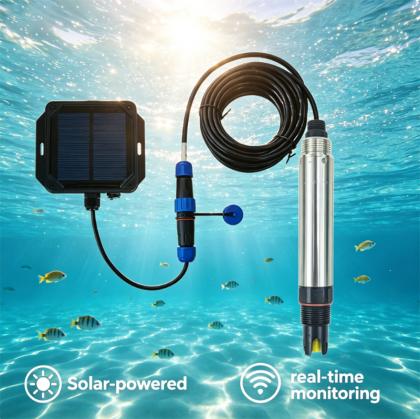
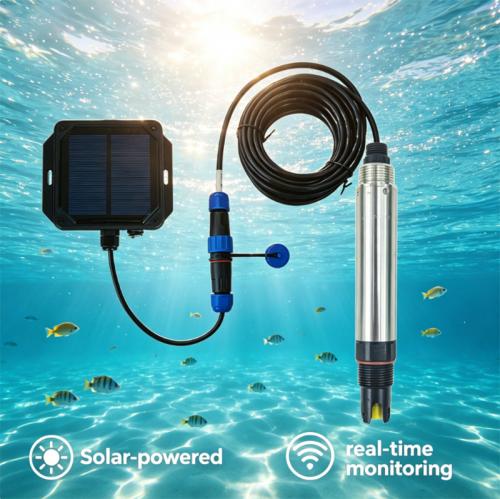
This solar-powered nitrate ion sensor operates on self-sustaining photovoltaic power, requiring no external power supply or wiring, and is suitable for various outdoor water environment monitoring scenarios. It features high detection accuracy and fast response speed, enabling real-time and precise collection of nitrate ion concentration data in water. With stable operation and low power consumption, it is widely used in aquaculture, rivers, lakes, municipal sewage, field water environments and other fields. Its integrated design allows for easy installation and supports long-term uninterrupted online monitoring, facilitating water quality control and environmental monitoring.
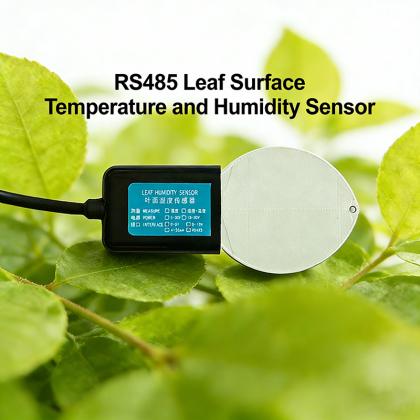
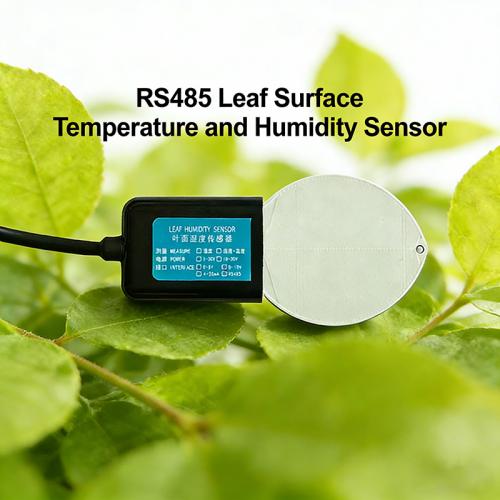
This product is a leaf temperature and humidity transmitter that uses RS485 (Modbus RTU) interface. Its humidity sensor is based on the principle of dielectric constant measurement, designed to mimic the geometric shape of real leaves, and can sensitively detect small residual moisture on the leaf surface; The temperature sensor adopts high-precision thermistor for precise measurement across the entire range. Main technical parameters: temperature range -40~80 ℃, accuracy ± 0.5 ℃; Humidity range 0~100% RH, accuracy ± 3% RH (@ 25 ℃). The whole machine is encapsulated with epoxy resin, with a protection level of IP67, wide voltage power supply DC 4.5-30V, low power consumption, and customizable wire length. Suitable for continuous monitoring of plant leaf or object surface humidity in scenarios such as greenhouses, laboratories, livestock farms, and artificial climate chambers.
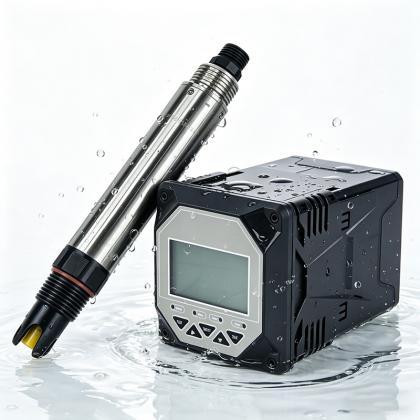
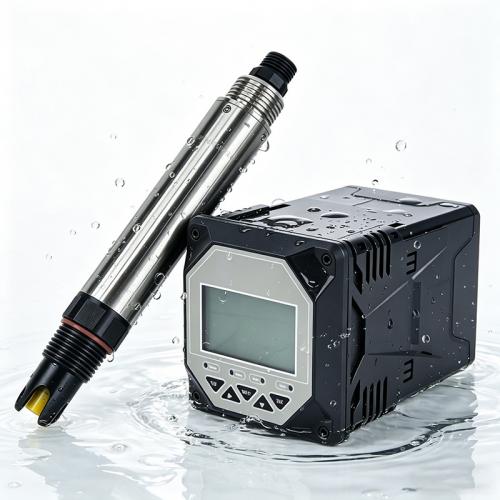
This is an industrial grade online nitrate ion sensor that uses PVC membrane ion selective electrode method to detect nitrate concentration in water in real time. The default range is 0~100 mg/L (optional 0~1000 mg/L), with an accuracy of ± 5% or ± 2 mg/L, and a response time of less than 60 seconds. Built in Pt1000 automatic temperature compensation, supports RS-485 (Modbus RTU) output and optional 4-20mA, making it easy to connect to PLC, DCS and other systems. 3/4 NPT thread installation, IP68 protection, optional POM+316L corrosion-resistant material for housing, suitable for sewage treatment, surface water monitoring, pipeline and tank immersion measurement.
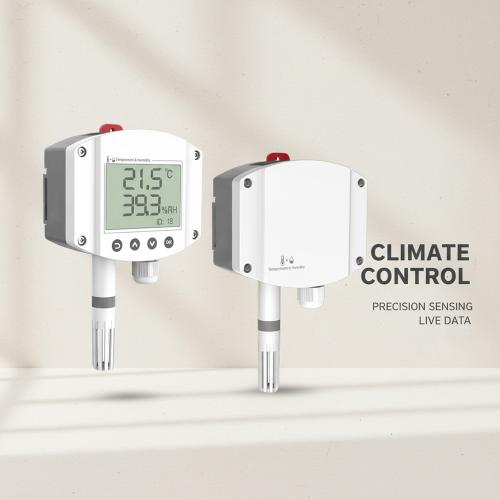
This industrial wall-mounted temperature and humidity transmitter features a clear LCD display and high-precision sensing. Equipped with RS485 output and standard Modbus RTU protocol, it easily integrates into building automation, HVAC, cleanrooms, warehouses, and environmental monitoring systems. The probe supports a wide operating range of -40℃ to +120℃, while the transmitter circuit works reliably from -20℃ to +60℃ (0~95%RH non-condensing). With ±0.4℃ temperature accuracy and ±2%RH humidity accuracy (B accuracy: ±0.5℃ / ±3%RH), it delivers stable, real-time data. Powered by 10-30V DC, the device supports both wall-mounted and DIN-rail installation. Optional analog outputs (4-20mA / 0-10V) are available. The LCD screen displays temperature, humidity, and device address, and parameters can be adjusted via onboard buttons. Built for industrial environments, it ensures long-term reliability and easy maintenance.