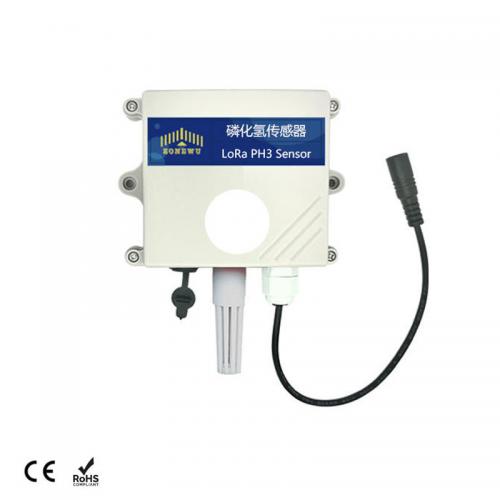
LoRaWAN wireless phosphine(PH3) sensor is an IoT wireless device designed specifically for monitoring phosphine gas. This device adopts LoRa spread spectrum modulation technology to achieve ultra long distance communication between terminals. Equipped with high-performance phosphine sensors and microprocessors, it has three major advantages: high detection accuracy, stable operation, and low energy consumption. Set upper and lower threshold values based on environmental conditions and proactively report abnormal data. This product is widely used in industrial safety, industrial parks, environmental protection and other scenarios.
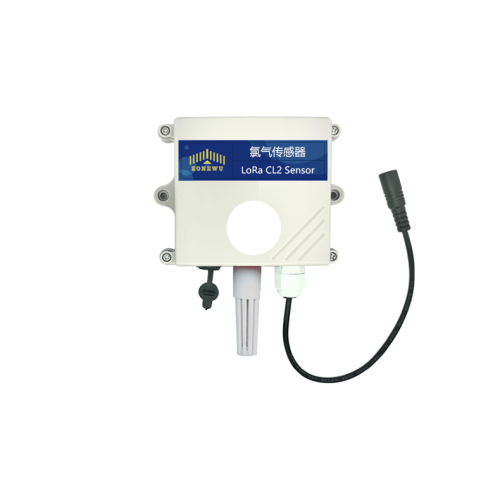
LoRa wireless chlorine gas (CL2) sensor is a wireless IoT sensor used for monitoring chlorine gas. Based on LoRa spread spectrum modulation technology, ultra long distance communication between terminals has been achieved. Equipped with high-performance chlorine gas sensors and microprocessors, it has the characteristics of high detection accuracy, stable performance, and low power consumption. It can preset upper and lower threshold values based on the environment and actively report data anomalies. Widely used in industrial safety, industrial parks, environmental protection and other scenarios.
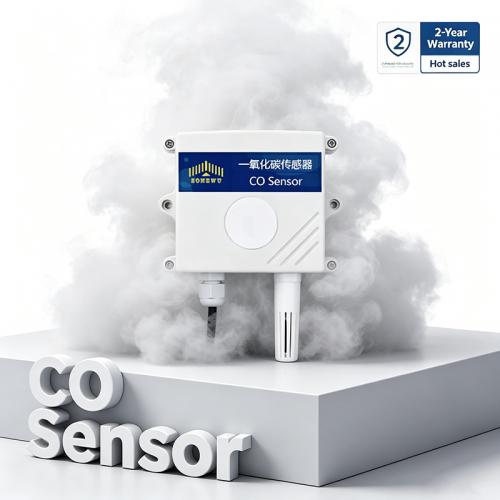
This is a high-precision CO₂ gas concentration sensor, suitable for scenarios such as indoor environmental monitoring, fresh air systems, and agricultural greenhouses. It can detect the CO₂ concentration in the air in real time and output accurate data, featuring fast response speed, strong stability, and excellent anti-interference ability. It supports multiple signal output methods, facilitating integration with various devices and helping users keep track of the environmental gas quality.
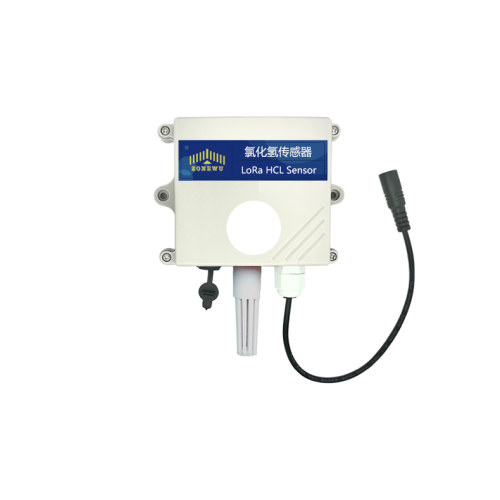
LoRaWAN hydrogen chloride (HCL) sensor is an IoT wireless sensor developed based on LoRa wireless technology, with built-in hydrogen chloride sensor and temperature and humidity sensors. It utilizes electrochemical principles to monitor the concentration, temperature, and humidity of hydrogen chloride in the environment in real-time. This system has the characteristics of high detection accuracy, stable performance, and low power consumption, and is widely used in environmental monitoring, industrial emission monitoring, chemical plants, and other fields.
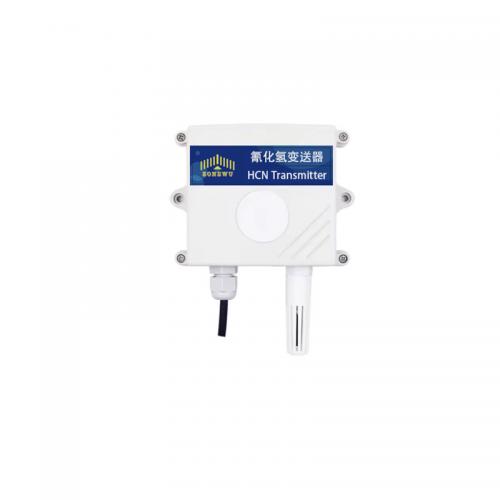
The RS485 Cyanide Gas (HCN) sensor is an IoT wired sensor developed based on RS485 communication technology, with a built-in cyanide gas sensor and temperature and humidity sensors. It utilizes electrochemical principles to monitor the concentration, temperature, and humidity of cyanide gas in the environment in real-time. This system has the characteristics of high detection accuracy, stable performance, and low power consumption, and is widely used in environmental monitoring, industrial emission monitoring, chemical plants, and other fields.