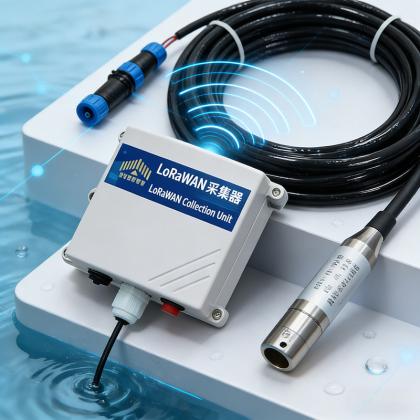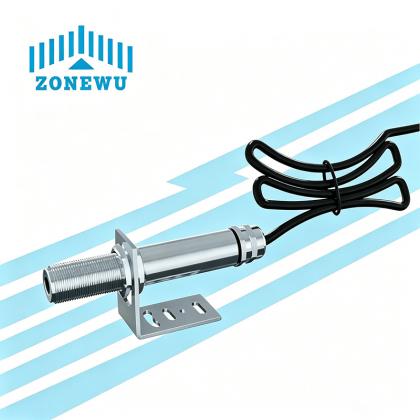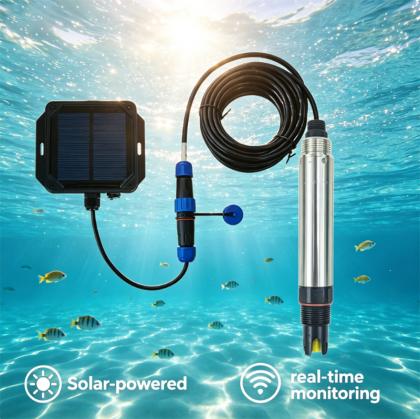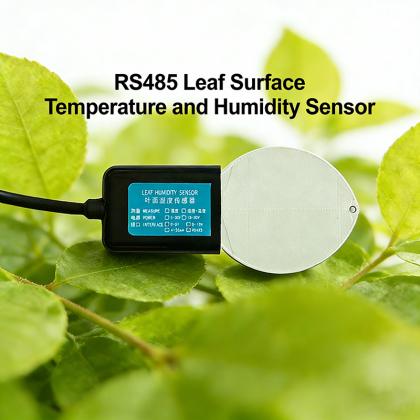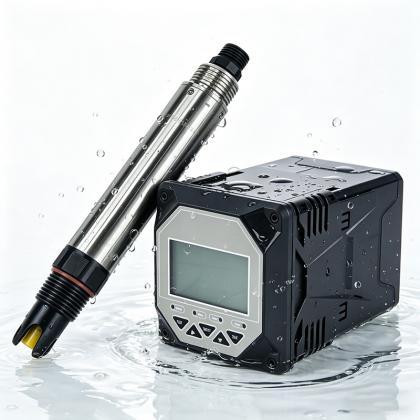
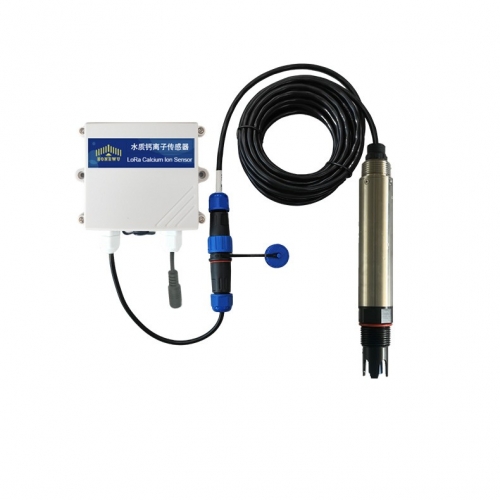
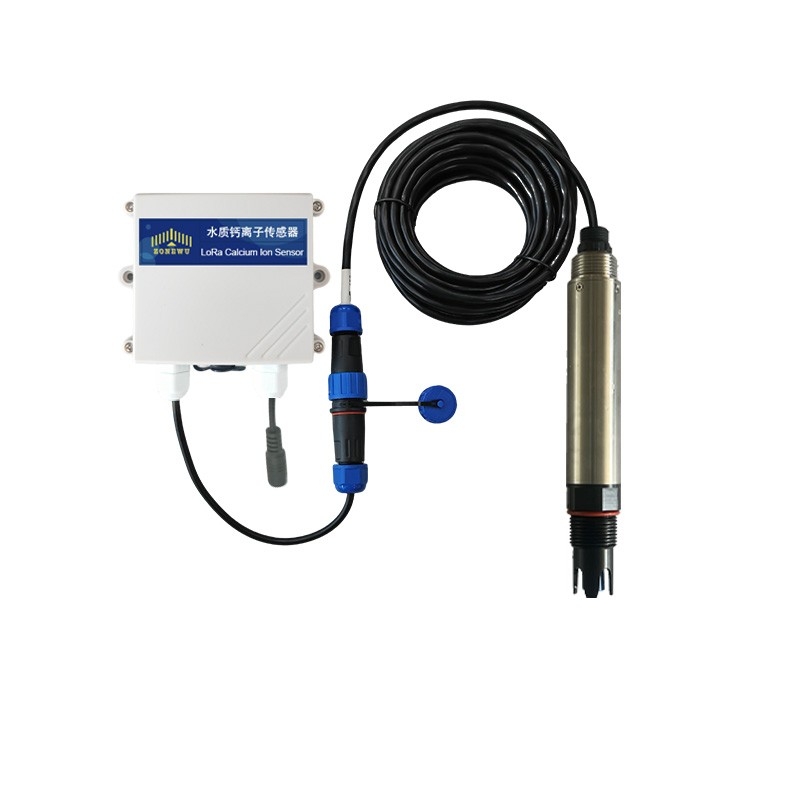
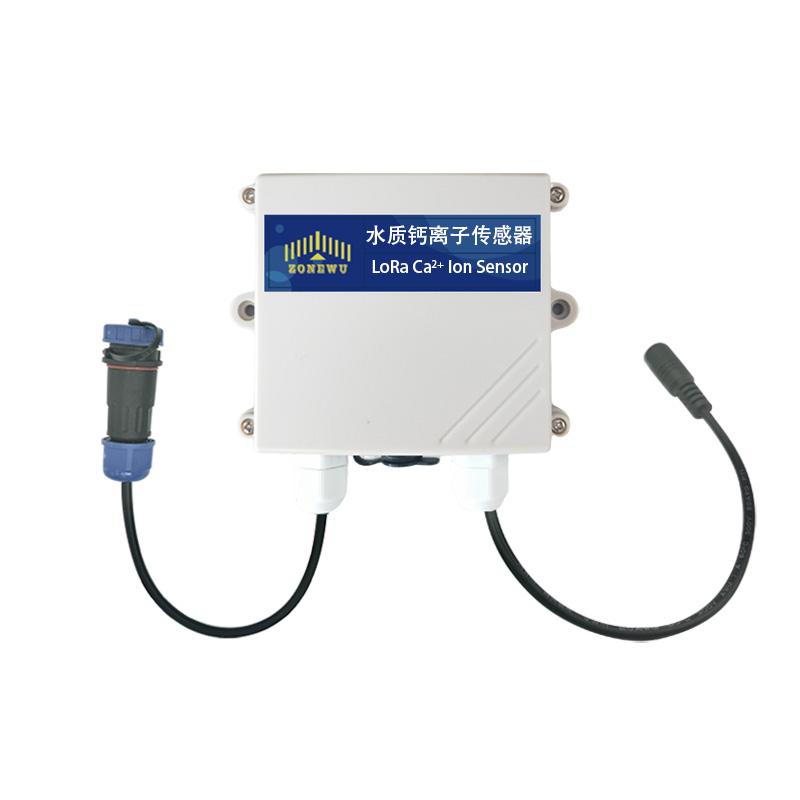
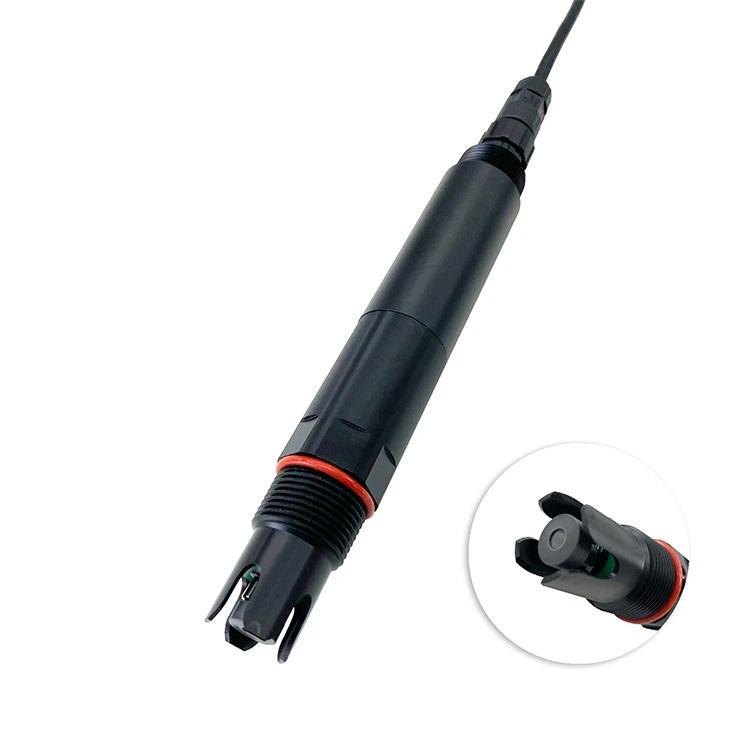
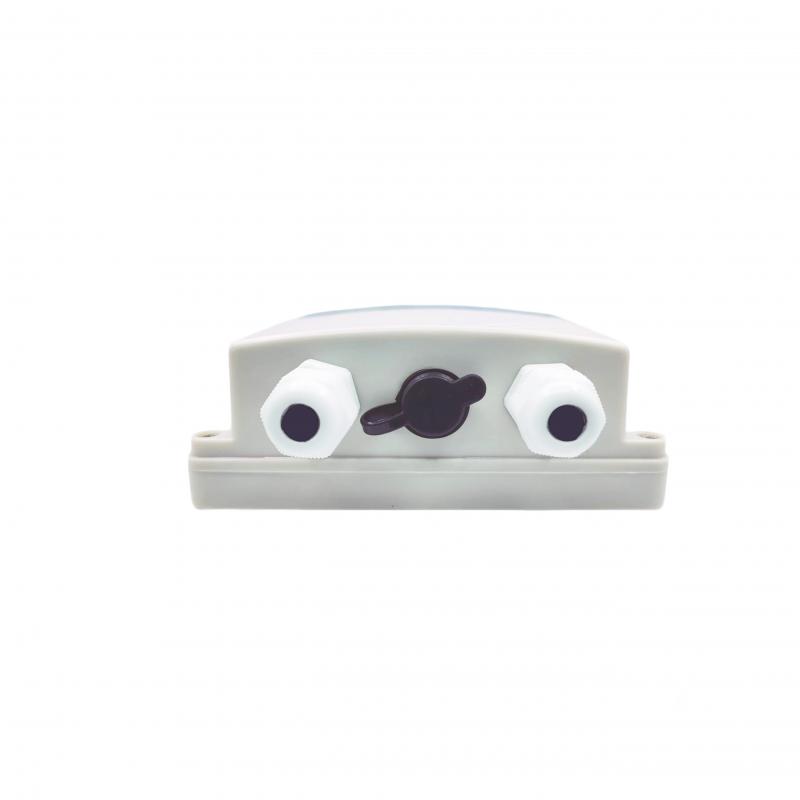
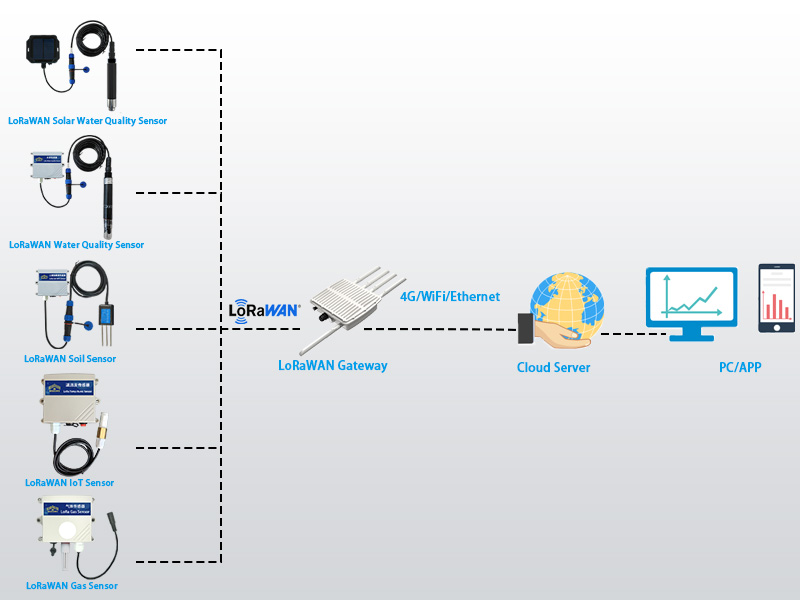
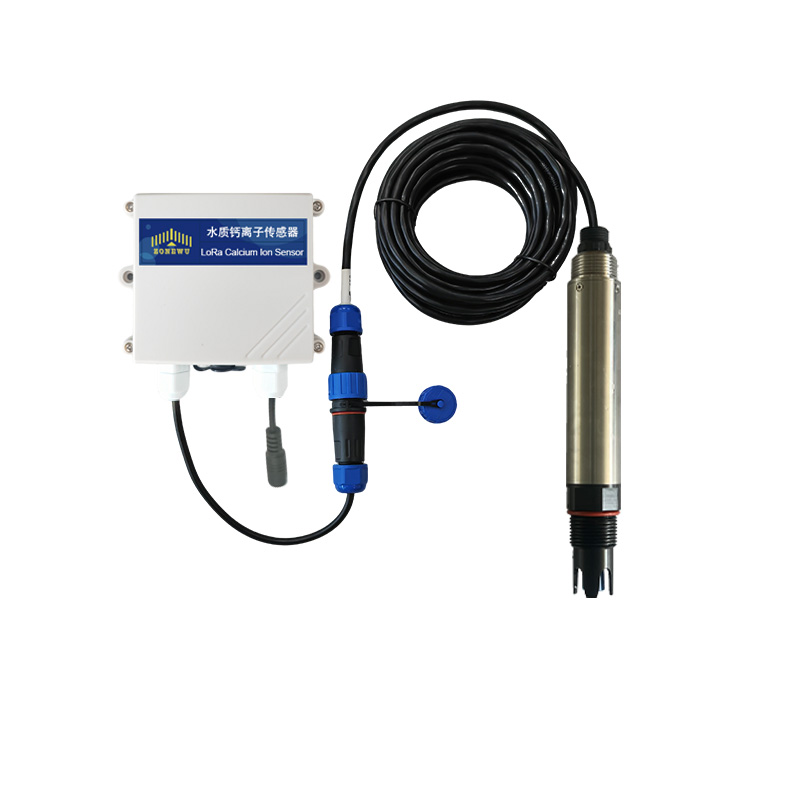
LoRaWAN water quality calcium ion sensor is a wireless sensor for measuring the concentration of calcium ions in water, with automatic temperature compensation, less affected by the environment, and higher measurement accuracy. Connect with LoRaWAN collector through aviation connector to achieve wireless communication. Widely used for ion online automatic continuous analysis and detection in industrial wastewater, surface water, drinking water, seawater, and industrial production process control.
Model No.:
LW111D-CAUse:
Monitor Calcium Ion contentPower Supply:
DC12/24VLoRaWAN Mode:
OTAA Class A/CCertificates:
CE,ROHS,FCC,ISO and 11 patents certificationsCustomized Support:
OEM, ODMWarranty:
1 YearIndustrial LoRaWAN Ca²⁺ Calcium Ion Water Quality Monitoring Detector
ZONEWU LoRaWAN Water-Enabled Calcium Ion Sensor
ZONEWU LoRaWAN Water-Enabled Calcium Ion Sensor:This device outputs relative fluorescence units, which facilitate the analysis of the correlation between fluorescence intensity and water calcium content based on actual scenarios. It supports LoRa TDMA networking and the standard LoRaWAN protocol.
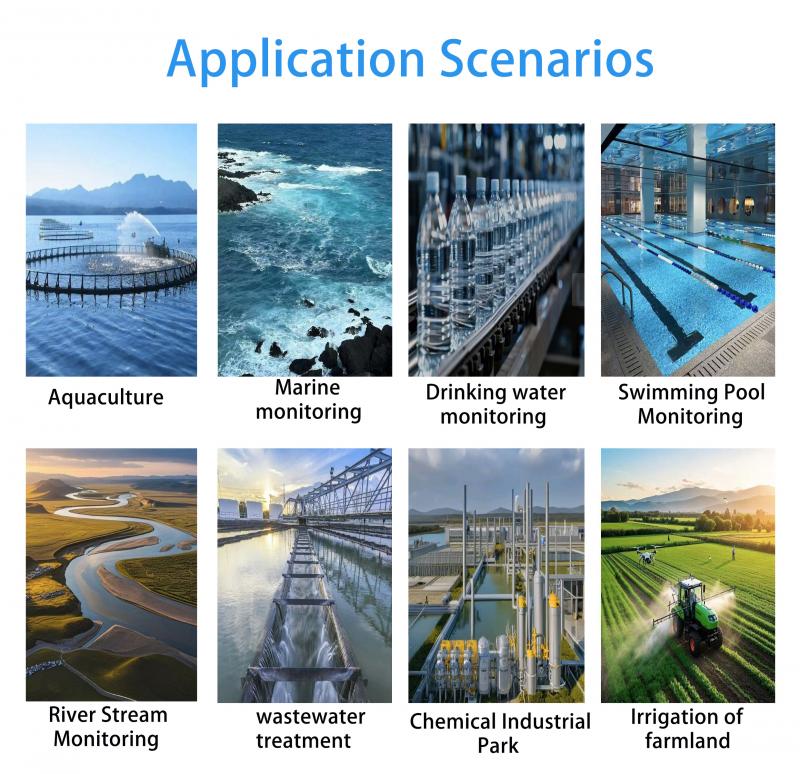
LoRaWAN Calcium Ion Sensor: Key Applications & Use Cases
1. Industrial Water Treatment
Boiler & Cooling Water Systems: Monitor calcium ion concentration to prevent calcium carbonate scale formation on heat exchangers, pipes, and boiler tubes. Scale buildup reduces heat transfer efficiency, increases energy consumption, and causes equipment corrosion—critical for power plants, chemical factories, and manufacturing facilities.
Wastewater Treatment Plants: Track calcium levels in influent/effluent to ensure compliance with environmental regulations (e.g., US EPA standards, EU Water Framework Directive). Abnormal calcium levels can disrupt sludge dewatering and the stability of biological treatment processes.
2. Agriculture & Irrigation
Precision Irrigation Management: Measure calcium ions in irrigation water and soil leachate. Calcium is a key secondary nutrient for plant growth (involved in cell wall synthesis and enzyme activation). Optimal calcium levels improve yields of crops (e.g., fruits, vegetables, grains) and prevent calcium deficiency symptoms (e.g., blossom-end rot in fruits, curled new leaves).
Greenhouse & Hydroponics: Maintain balanced nutrient solutions in hydroponic systems via real-time calcium monitoring—ensures consistent plant health and high-quality produce for commercial growers.
3. Aquaculture & Aquariums
Fish Farming (Freshwater/Saltwater): Calcium ions support skeletal/shell development and osmoregulation in fish, shrimp, and other aquatic organisms. Too low or high calcium levels cause stress, disease, or mortality. LoRaWAN sensors enable remote monitoring of ponds, tanks, or recirculating aquaculture systems (RAS), supporting large-scale, data-driven aquaculture operations.
Public Aquariums & Ornamental Fish Tanks: Maintain stable water chemistry for sensitive aquatic species (e.g., coral reefs, tropical fish) via continuous calcium tracking—prevents sudden fluctuations in water parameters.
4. Environmental Monitoring
Surface Water & Groundwater Surveys: Track calcium levels in lakes, rivers, reservoirs, and groundwater to assess water quality. Elevated calcium may indicate industrial runoff, mineral leaching, or pollution—supporting environmental protection agencies (EPA) and research institutions.
Mining & Construction Site Runoff: Monitor calcium-rich runoff from mining operations (e.g., limestone mines) or construction sites to prevent water contamination and comply with regulatory requirements.
LoRaWAN parameters: Supports Ca²⁺ (Calcium Ion) data transmission:
|
Power Specifications
|
Rated Voltage:12VDC,Scope:DC10~28V |
|
|
Rated input current: 500mA |
||
|
Interface specification: DC 5.5mm × 2.1mm (positive inside and negative outside) |
||
|
Range and Resolution |
0~100.00mg/L(default) |
0.1mg/L,0.1℃ |
|
0~1000.0mg/L |
0.1mg/L,0.1℃ |
|
|
Accuracy |
Readings of ±10% or ±1mg/L, ±0.5℃ |
|
|
Minimum Detection Limit |
0.1 |
|
|
Temperature Compensation |
Automatic temperature compensation (Pt1000) |
|
|
Working Conditions |
0~40℃,<0.1 MPa,4~10 pH |
|
|
Electrode Usage Cycle |
2 years |
|
|
Transmitter Line length |
Default 5m (other lengths can be customized) |
|
|
Frequency |
CN470/IN865/EU868/RU864/US915/AU915/KR920/AS923-1&2&3&4 |
|
|
Mode |
OTAA Class A/C(Default ) |
|
|
Reporting cycle |
10min(Default ) |
|
|
Communication Protocol |
LoRaWAN |
|
|
Equipment information (Reference) |
AppEUI:331341E186891989 DevEUI:aaaa202404150001 AppKey:5572404c696e6b4c6f526132330313823 MAC Version: LoRaWAN 1.0.3 |
|
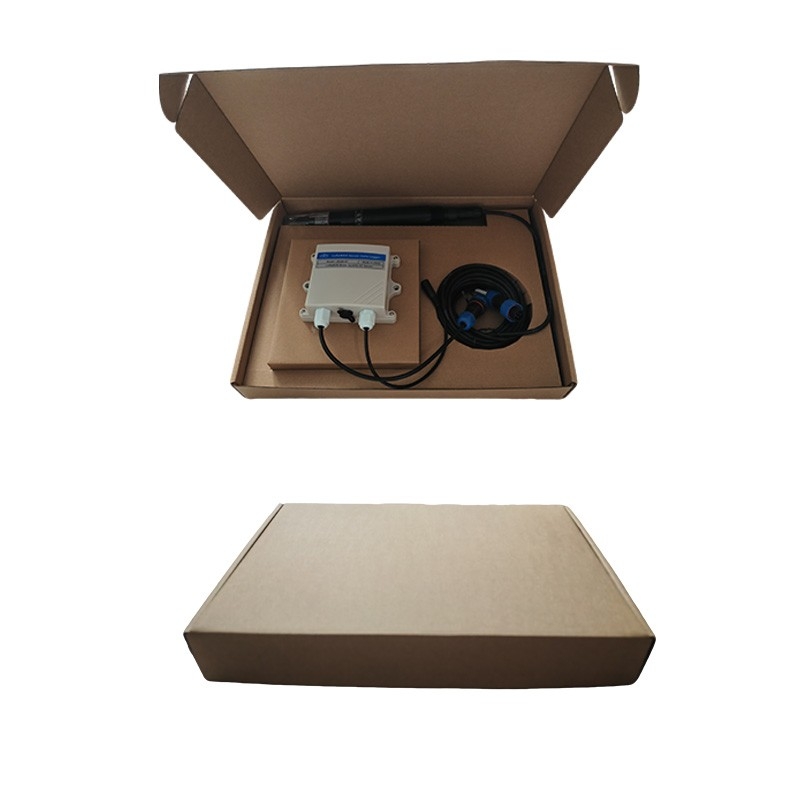
Packaging:
Single gross weight: 1.200 KG
Single package size: 37X26X5 cm
Product Description:
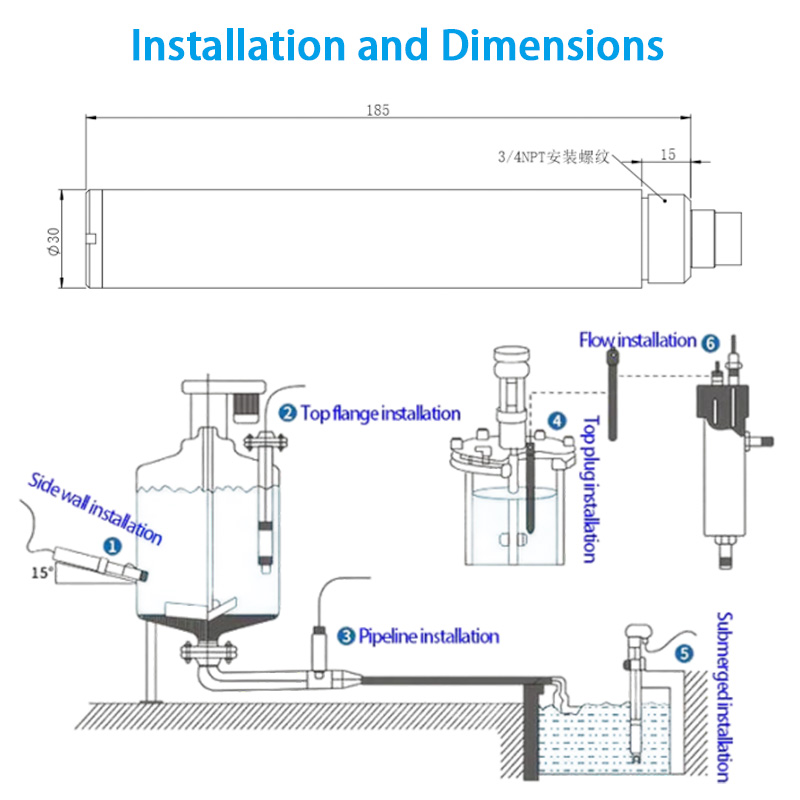
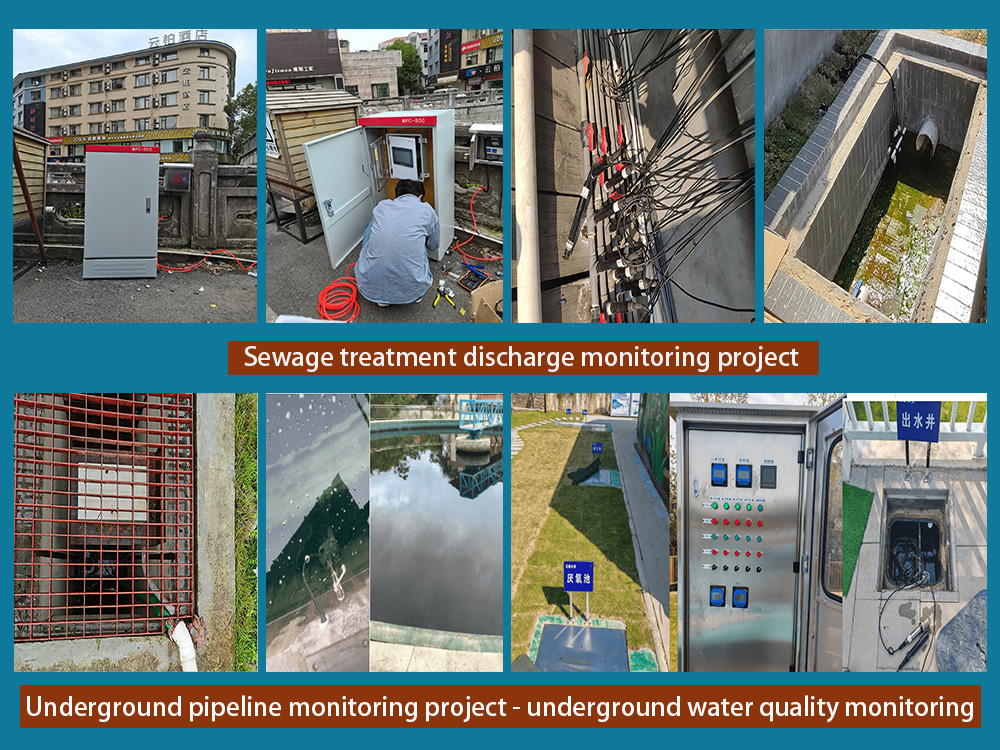
Customer on-site examples:
Application:
LoRaWAN calcium ion water quality sensor is a wireless sensor dedicated to monitoring calcium ion concentration in water. As a specialized water quality monitoring device, it supports long-term online tracking of calcium levels—critical for scenarios (e.g., industrial water treatment, agriculture, aquaculture) where calcium ion stability directly affects system efficiency, crop/ aquatic organism health, and environmental compliance.

Certifications:
We are the best water quality LoRaWAN Ca²⁺ (Calcium Ion) sensor manufacturer and exporter in China with more than 10 years of experience. Our LoRaWAN calcium ion sensor products are certified with CE and RoHS.
Why LoRaWAN for Ca²⁺ Monitoring?
Remote & Real-Time Data:Transmit data over long distances (up to 10+ km in rural areas) without wiring, ideal for large-scale or hard-to-reach locations (e.g., remote farms, offshore aquaculture).
Low Power Consumption:DC-powered sensors operate for years, reducing maintenance costs and downtime.
Integrate with LoRaWAN gateways and cloud platforms (e.g., AWS IoT, Azure IoT) to monitor hundreds of sensors simultaneously—suitable for enterprise-level applications.Cost-Effective:Eliminates manual sampling and labor costs, enabling proactive maintenance and compliance.
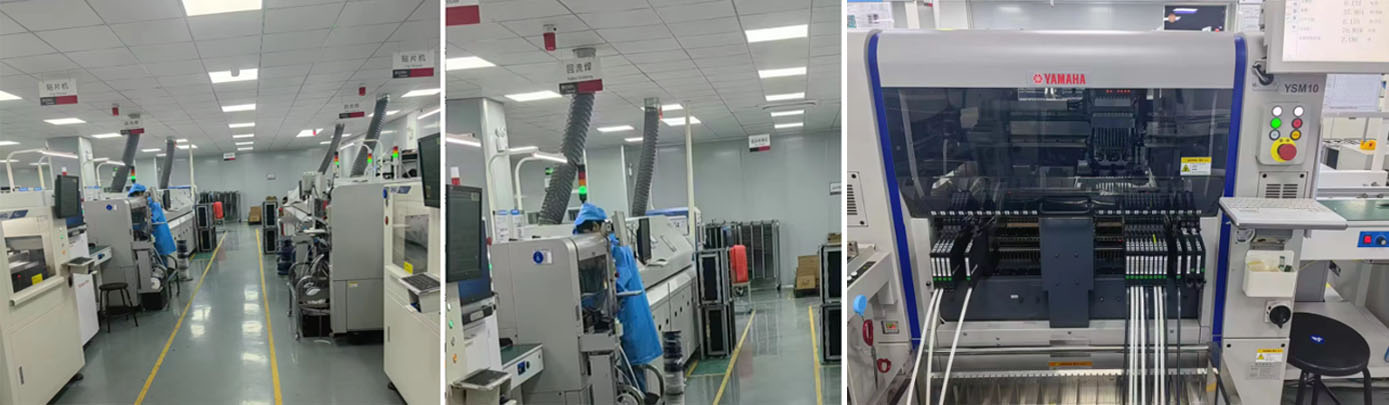
Production Process:
Why choose us:
Want to know about this product?
If you are interested in our products and want to know more details, please leave a message here, we will reply you as soon as we can.
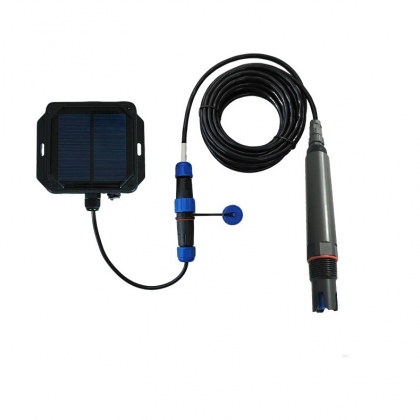 LoRaWAN Solar-Powered Water Quality Total Hardness Sensor
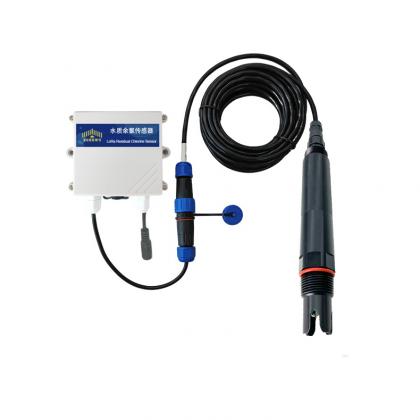 Agricultural Irrigation Residual Chlorine Monitor Water Quality Sensor
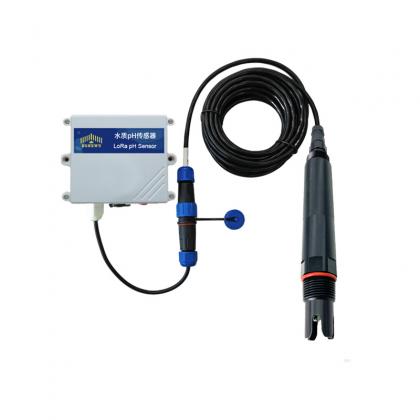 Durable Digital industrial PH Sensor for Water Quality Monitoring
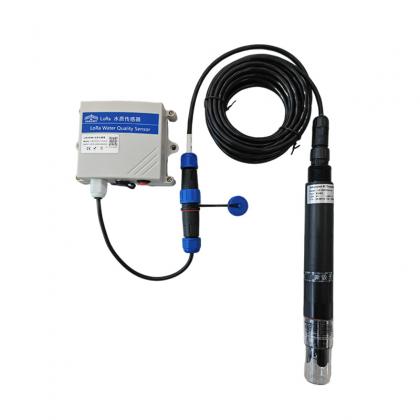 Wireless LoRaWAN Smart Electrical Conductivity Sensor for Water
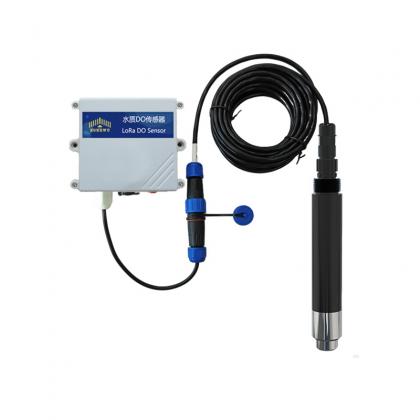 High precision LoRaWAN Water Quality Dissolved Oxygen Sensor
 LoRaWAN Wireless Water Quality ORP Sensor
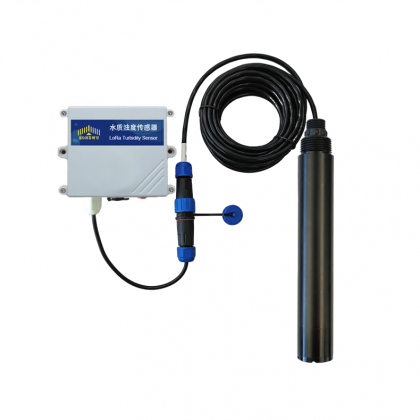 Stable Wireless LoRaWAN Water Quality Turbidity Sensor
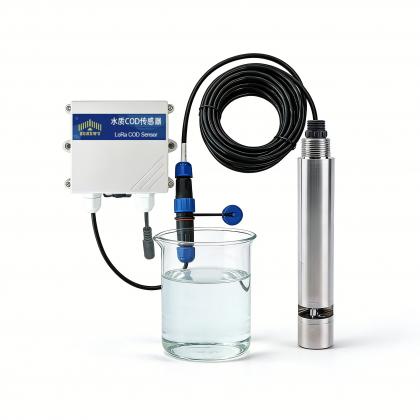 Anti-Interference High Precision LoRaWAN COD Sensor

Tel : +86 18146178586
Whatsapp : +86 18146178586
Email : qui@zonewu.com
Add : 1501-3, Building F03, Phase III, Software Park, Jimei District, Xiamen City, Fujian Province, China